The Property Industry Foundation is 30 years old this year. We have spent 3 decades raising funds to build homes for homeless youth and the bedrooms that we have built deliver over 100,000 safe sleeps each year for young people. But despite this, homelessness is growing faster for young people than any other group; young people under 25 make up 40% of all homelessness. What must we do differently in the next 30 years?
There are two moments that always stand out when you work at the Property Industry Foundation.
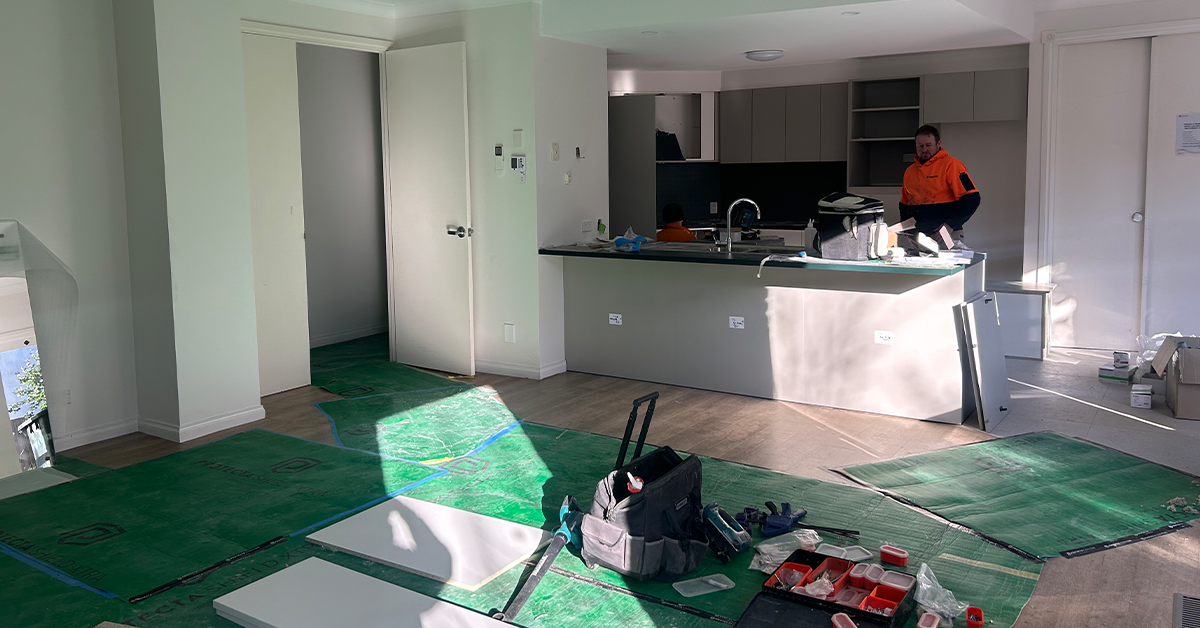
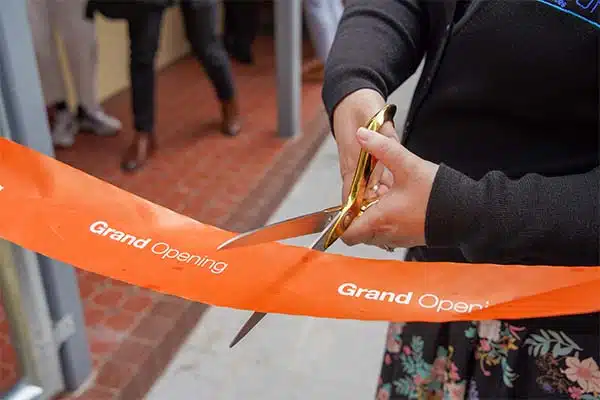
The first is opening a Haven House. After years of work, standing in front of a completed home for young people in need and knowing the part that we played in bringing it into being is deeply satisfying. I didn’t come into this role with a background in construction or development, but I’ve developed a deep respect for the industry. People in this industry take on complex, high-risk projects every day. It’s the key industry that can address the housing crisis, and it takes that responsibility seriously.
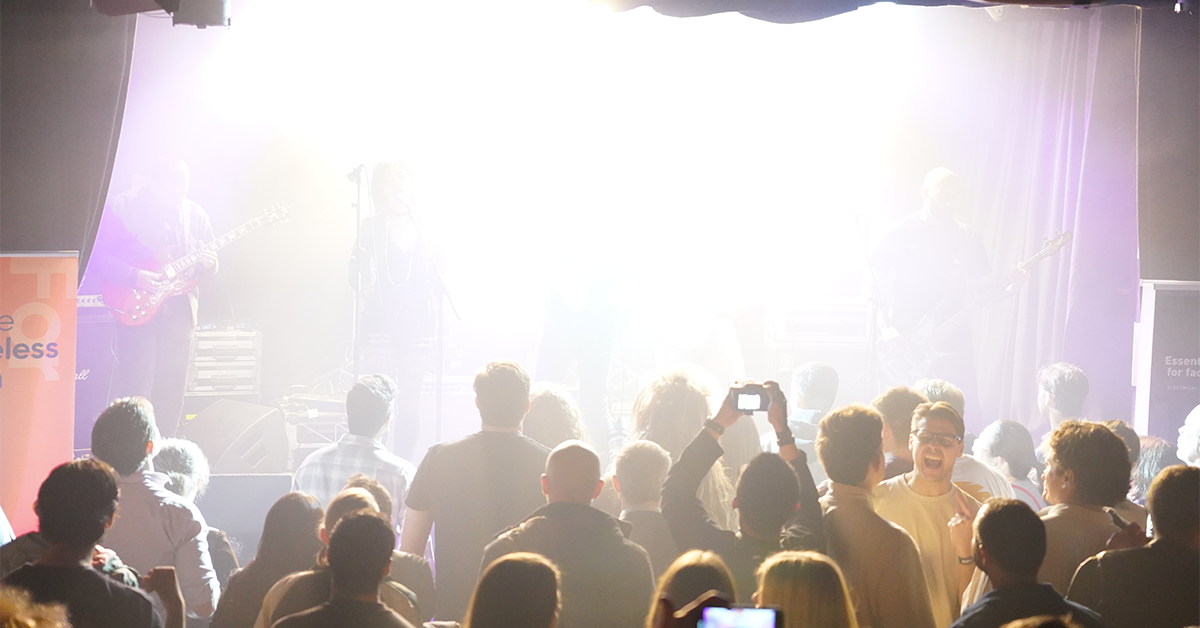
The second moment is when you hear from a young person who has experienced homelessness. People with lived experience shape everything that we do. Every time I hear a young person speak, I learn something new. They remind me of how harsh the world can be, but also how resilient young people are, and how much care exists within the youth homelessness sector. It’s not an easy sector to work in. It is underfunded and sometimes worn down by the frontline realities of life, but it is full of extraordinary people who show up every day. Getting to work with frontline service providers to increase and improve their accommodation is a privilege.

Homelessness is growing faster for young people than any other group. Between 2006 and 2021, the rate of homelessness (per 10,000) for 19–24-year-olds grew by 21%. There is no single cause. It is a compounding set of forces: domestic violence, disadvantage, health and the housing crisis. Then, structural inter-generational inequity applies a grinding force on our young people that exacerbates all the above. If we don’t change the trajectory for young people now, we are locking in the next generation of homelessness.
There is no easy solution to youth homelessness. We must build more housing, but we must also stop people becoming homeless. A homelessness advocate once described the current system to me as an overflowing bathtub: you cannot empty the bath unless you turn off the taps. If we are serious about reducing homelessness, we need to act upstream – preventing young people from becoming homeless – while also responding to those already in crisis.

What does give me hope is how much the narrative has shifted. When I first entered this sector seven years ago, there were still suggestions that young people were responsible for their own homelessness – that it was about behaviour or poor choices. That has shifted. There is now a clearer understanding of the role of domestic and family violence, and the structural forces that push young people into homelessness. We must continue to understand the lived experience of young people and enable them to have a seat at the table.
This year marks the 30th anniversary of the Property Industry Foundation. For three decades, we have brought together the property and construction industry to have a tangible impact on youth homelessness. Our primary contribution has been through The Haven Project – working to increase the supply of accommodation for young people – and through supporting advocacy and innovation.

At the Foundation, we sit at the intersection of two worlds: an industry capable of building at scale, and a sector working tirelessly to support vulnerable young people. Our role is to mobilise capital and capability within the industry to create a real, lasting impact.
There is still much to be done. Thirty years on we still believe there is a world where every young person has a safe and secure place to sleep and we are as committed as ever to building it.