How collaboration between frontline services and the property industry is housing young people experiencing homelessness.
This year, the Property Industry Foundation reached its target of creating 300 bedrooms for young people experiencing homelessness under our Haven Project program. We then immediately set a new one: 300 more bedrooms in the next five years. It’s ambitious, but here is how we plan to do it.
Collaboration and partnership are key. The Haven Project isn’t built by the Foundation alone. It’s built with frontline homelessness services providers, the property and construction industry, and funders, including government.
Frontline partnership
Each project starts with a frontline partner, the organisation that delivers services directly to young people experiencing homelessness. This is essential. Housing alone is not enough; young people need caseworkers and support to reconnect with education, maintain employment and build the skills that most of us take for granted: a driver’s licence, budgeting, building healthy relationships, and the ability to maintain a tenancy.
This frontline partner also typically brings the land. The Foundation has deliberately avoided becoming a long-term property owner or operator; our model is to help fund and coordinate the delivery of a home, then move our development capability onto the next project.
Industry partnership
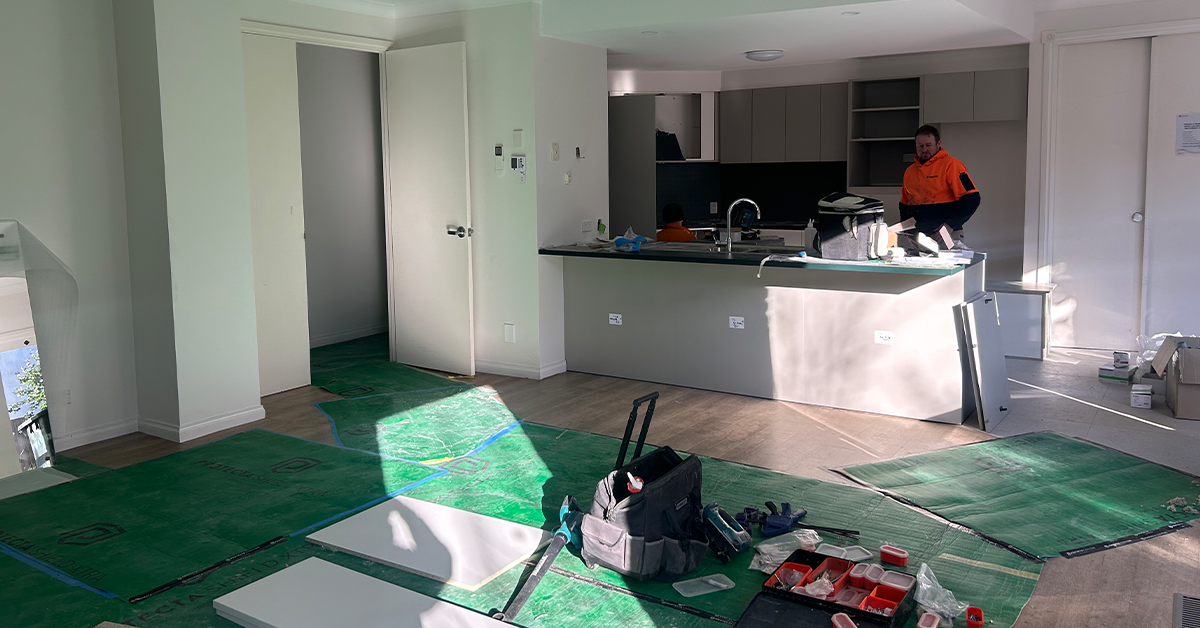
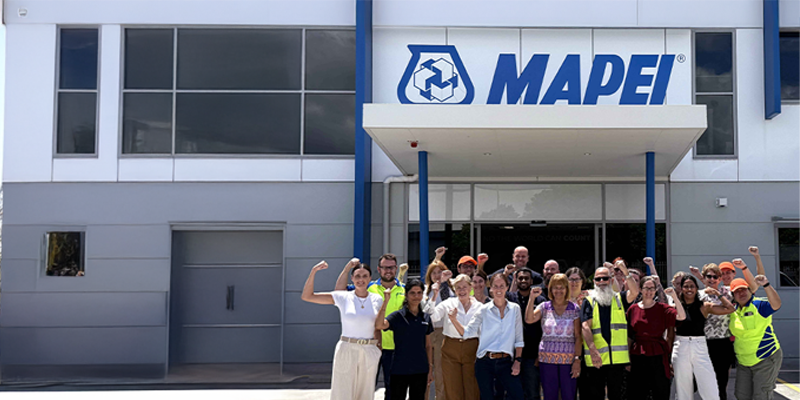
Then, we bring in a partner that is often not in the room when homelessness is discussed: the property and construction industry. That sounds counterintuitive, but in my experience, homelessness and the property sector cross paths less than you might think. When I attend homelessness conferences, there are not a lot of developers and contractors in the room – and vice versa when I’m at a property conference.
Building to purpose
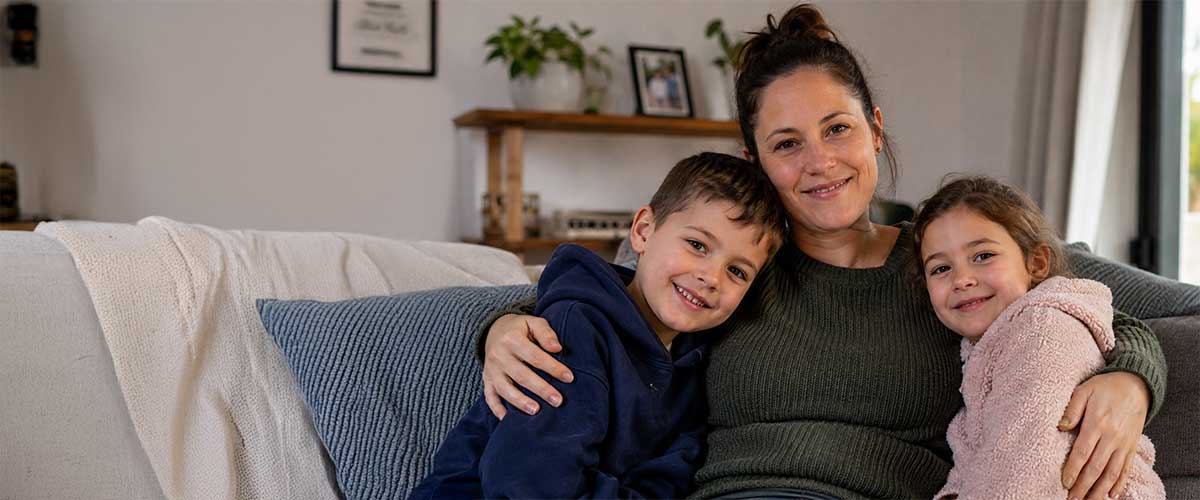
Bringing these two core groups together to accelerate youth housing is the Foundation’s core role. We work with about 30 frontline partners, each with a different operating model reflecting the different needs of the young people they support. A young mother and her baby may need something very different from a 17-year-old leaving care or a young person moving out of crisis accommodation. Because we don’t prescribe a single service model, we can work with many different frontline partners to accelerate their housing pipeline – while ensuring that each can demonstrate the impact of their approach.
Bringing these two core groups together to accelerate youth housing is the Foundation’s core role. We work with about 30 frontline partners, each with a different operating model reflecting the different needs of the young people they support. A young mother and her baby may need something very different from a 17-year-old leaving care or a young person moving out of crisis accommodation. Because we don’t prescribe a single service model, we can work with many different frontline partners to accelerate their housing pipeline – while ensuring that each can demonstrate the impact of their approach.

This is where the opportunity to scale lies. If we can assemble the full package, land, a strong frontline services provider, and property and construction expertise- then this becomes an attractive, delivery-ready proposition for supporters, including government. This model of collaboration and partnership means the property industry has the potential to have a huge impact on youth housing over the next decade.